Why Massage Feels Good
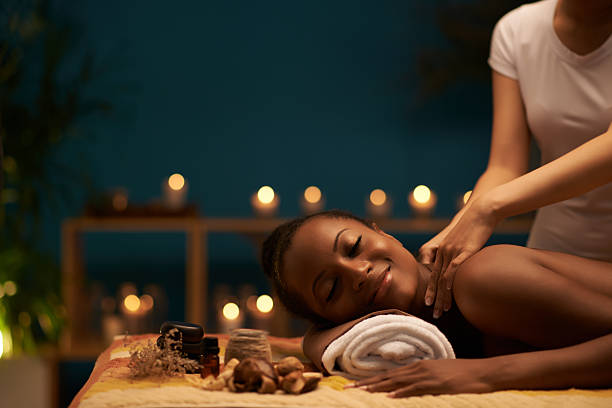
Why Massage Feels Good Why Massage Feels Good Massage therapy has been celebrated for centuries for its relaxing and therapeutic effects. Whether it’s a deep tissue massage after a long workout or a gentle Swedish massage to unwind, many people consistently report feeling better after a massage. But what is it about massage that makes it feel so good? This comprehensive blog post delves into the science and psychology behind why massage feels good, exploring the physiological, psychological, and emotional benefits that contribute to its overall appeal. The Science Behind the Sensation Release of Endorphins One of the primary reasons massage feels good is the release of endorphins, the body’s natural painkillers and mood enhancers. Endorphins are neurotransmitters that act as natural analgesics, reducing pain perception and promoting a sense of well-being. When you receive a massage, the gentle pressure and manipulation of tissues stimulate the release of these chemicals, leading to an enhanced mood and reduced discomfort. Reduction of Cortisol Levels Massage therapy also helps lower cortisol levels, a hormone associated with stress. High cortisol levels can lead to various health issues, including anxiety, weight gain, and insomnia. By reducing cortisol levels, massage helps alleviate stress and promotes relaxation. The soothing effects of massage contribute to a decrease in the physiological symptoms of stress, such as elevated heart rate and blood pressure. Improvement of Blood Circulation Massage enhances blood flow by stimulating the cardiovascular system. The pressure applied during a massage helps to increase the flow of oxygen-rich blood to the muscles and tissues, promoting healing and reducing muscle tension. Improved circulation also aids in the removal of metabolic waste products from the muscles, contributing to a sense of revitalization and reduced fatigue. Activation of the Parasympathetic Nervous System Massage activates the parasympathetic nervous system, often referred to as the “rest and digest” system. This activation counteracts the effects of the sympathetic nervous system, which is responsible for the “fight or flight” response. By stimulating the parasympathetic nervous system, massage promotes relaxation, lowers heart rate, and enhances overall well-being. Release of Myofascial Tension Myofascial release is a technique used in massage therapy to address tension in the fascia, the connective tissue surrounding muscles. Myofascial tension can lead to discomfort and restricted movement. Massage helps release this tension, improving flexibility and range of motion. Why Massage Feels Good The relief from myofascial tension contributes to the overall sensation of well-being during and after a massage. Psychological Benefits of Massage Promotion of Relaxation Massage therapy is renowned for its ability to induce relaxation. The calming environment of a massage session, combined with the therapist’s skilled techniques, creates a serene atmosphere that encourages relaxation. The reduction in muscle tension and the soothing touch of the therapist contribute to a profound sense of calm and tranquility. Reduction of Anxiety and Depression Massage has been shown to have a positive impact on mental health. Regular massage therapy can help reduce symptoms of anxiety and depression by promoting the release of neurotransmitters such as serotonin and dopamine. These “feel-good” chemicals contribute to an improved mood and overall emotional well-being. Enhanced Sleep Quality Massage therapy can improve sleep quality by promoting relaxation and reducing physical discomfort. The decrease in muscle tension and stress levels created by massage can help individuals fall asleep more easily and experience deeper, more restorative sleep. Improved sleep quality contributes to overall health and well-being. Increased Body Awareness Massage therapy fosters a heightened sense of body awareness. As the therapist works on different muscle groups and tissues, individuals become more attuned to their physical sensations and overall body condition. This increased awareness can lead to better self-care practices and a greater understanding of one’s physical needs. Emotional Benefits of Massage Stress Relief One of the most immediate and noticeable benefits of massage is stress relief. The combination of physical touch, relaxation, and improved circulation helps reduce stress levels and promotes a sense of emotional calm. Regular massage sessions can contribute to long-term stress management and a greater sense of balance in life. Enhanced Mood Massage therapy has been linked to improved mood and emotional well-being. The release of endorphins and other neurotransmitters during a massage contributes to a more positive outlook and increased feelings of happiness. The soothing effects of massage can uplift mood and provide a sense of emotional rejuvenation. Strengthened Emotional Connections Receiving a massage can foster a sense of connection and trust between the therapist and client. The therapeutic touch and attentive care provided by the therapist can create a nurturing environment that promotes emotional healing and connection. This positive interaction can enhance feelings of trust and support. Improved Self-Esteem Regular massage therapy can positively impact self-esteem by promoting physical and emotional well-being. The improved body awareness and relaxation experienced during a massage can lead to increased self-confidence and a more positive body image. Feeling good physically and emotionally can contribute to a healthier self-esteem. Types of Massage and Their Unique Benefits Swedish Massage Swedish massage is one of the most common types of massage therapy, known for its gentle and relaxing techniques. It involves long, flowing strokes, kneading, and circular movements to promote relaxation and improve circulation. Swedish massage is ideal for stress relief and overall relaxation. Deep Tissue Massage Deep tissue massage focuses on the deeper layers of muscle and connective tissue. Why Massage Feels Good It uses more intense pressure to address chronic muscle tension and pain. This type of massage is beneficial for individuals seeking relief from specific areas of discomfort or stiffness. Hot Stone Massage Hot stone massage involves the use of heated stones placed on key points of the body. The heat from the stones helps to relax muscles and improve circulation. Hot stone massage provides a soothing and deeply relaxing experience, making it an excellent choice for stress reduction. Aromatherapy Massage Aromatherapy massage combines the benefits of massage therapy with essential oils. The use of aromatic oils enhances the overall experience by providing additional therapeutic effects, such as improved mood … Read more